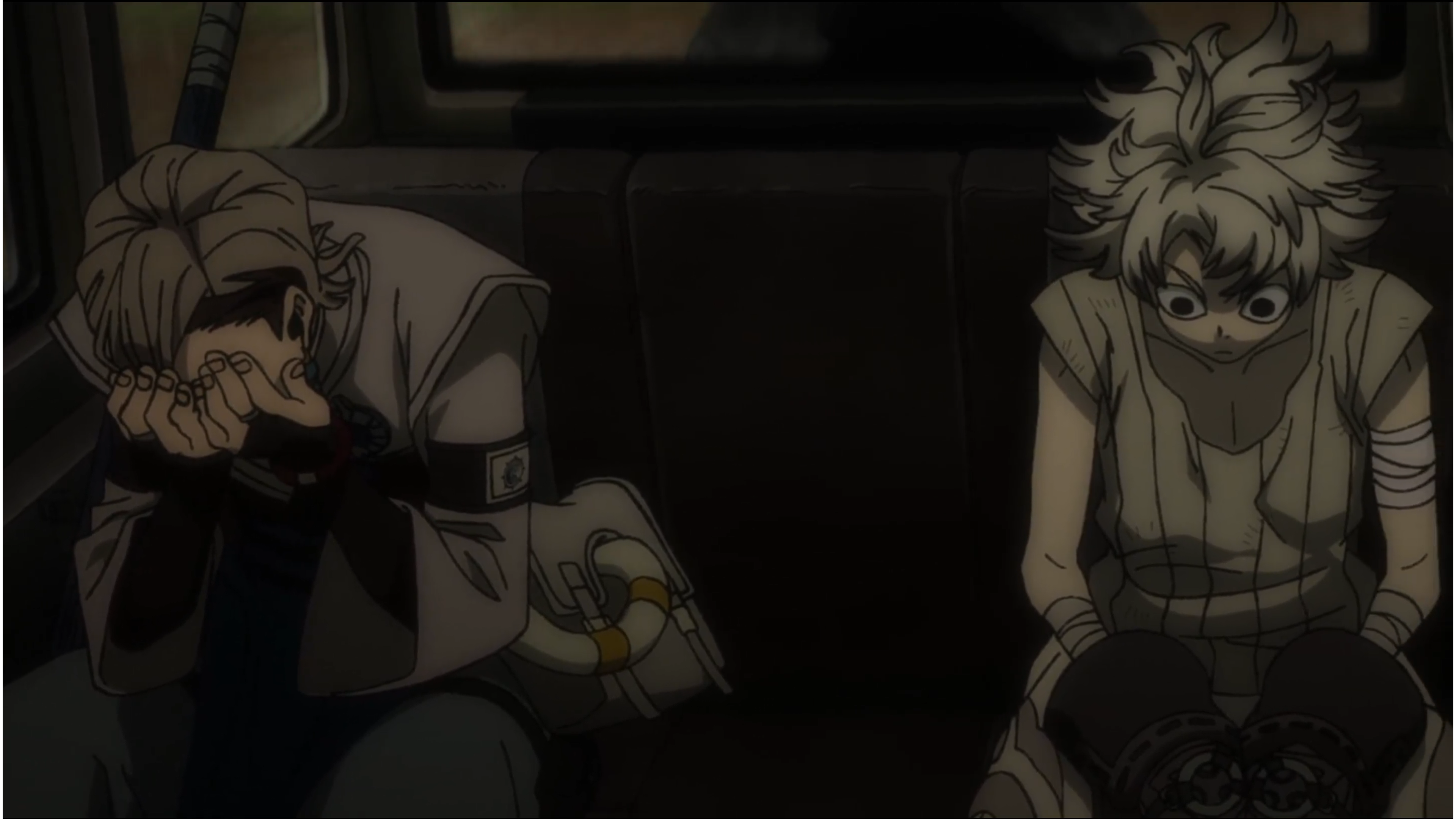
Gachiakuta Volume 2 delivers intense action, layered character development, and rich world-building that deepen the stakes of Rudo’s story. Chiefly, for readers looking to get ahead of the anime, this volume offers key insights into the complex society of the Cleaners and the dangers that lurk in the Pit. Let’s break down the plot, characters, themes, and the questions that drive the story forward.
The Plot Unfolds From Conflict to Purpose
Volume 2 picks up with Zanka confronting Rudo over a perceived theft of his vital instrument. What starts as a tense standoff transforms into an unexpected lesson in trust and humility. Zanka, proud and quick-tempered, challenges Rudo’s raw talent, showing that skill and experience matter more than natural ability. Their chaotic fight, which includes the now-infamous flying plunger incident, blends humor with tension and marks the start of their uneasy bond.

Rudo’s journey takes him from these personal clashes to his first field mission. He joins Riyo, Zanka, and the team as they clear out Trash Beasts near a polluted zone. Rudo witnesses how Cleaners work together, with Givers and supporters combining their strengths. Meanwhile, he struggles to activate his powers under pressure, forcing him to reflect on his purpose and role. These moments reveal his growing understanding that helping others requires more than good intentions.
The volume escalates with a mission that turns into an ambush. Raiders, ruthless Givers who once stole red glow objects, target Rudo for his connection to the Sphere. Zanka steps up as a leader, using his deep bond with his vital instrument to defeat them. Just as victory seems certain, a mysterious stranger appears, setting the stage for future conflict.
Character Development Through Adversity
Rudo begins to shed his initial naivety. His encounters with Zanka, Riyo, and the supporters teach him hard truths about teamwork, responsibility, and survival. Rudo faces self-doubt after freezing in combat, but supportive figures like Gris encourage him to keep going. By the end of the volume, Rudo starts to see that survival and growth require action, not just hope.
Zanka moves beyond his proud exterior. He proves himself as both a fighter and a mentor. His pride in his vital instrument, a simple stick, reflects his belief that value comes from connection and care, not appearance. His dialect and mannerisms hint at a distinct background within Ground society.
Riyo shines as a steady presence. She leads with confidence, stays calm under pressure, and demonstrates precise combat skills. Her interactions with Rudo mix playfulness with genuine guidance, helping him learn without coddling him.

Gris represents the strength of supporters, often overlooked yet vital to the Cleaners’ success. Additionally, his advice helps Rudo see value in persistence over perfection.

Follo joins the cast as a young supporter who dreams of becoming both a Giver and a supporter. His determination highlights the overlooked strength of those without powers.
Semiu plays a key role in assessing Rudo and briefing the team. Her vital instrument, her glasses, reflects her sharp insight and professionalism.

Raiders and the ominous stranger introduce greater threats. The Raiders demonstrate coordination and ruthlessness, while the stranger’s motives remain unknown but dangerous.
Themes That Drive Gachiakuta Volume 2
Talent versus experience stands at the core of this volume. Zanka’s challenge to Rudo highlights that raw power means little without discipline and practice. Rudo learns that he must earn his place through effort, not gifts. Moreover, teamwork and trust shape the Cleaners’ world. Givers rely on supporters. Supporters rely on Givers. Rudo witnesses how these bonds protect lives and defeat powerful threats.
Class tension and hidden history deepen the story’s stakes. Equally important, the Cleaners’ structured society contrasts with the Sphere’s view of the Pit as a trash dump. Hints about the origins of the people on the Ground and their possible ties to the Sphere raise important questions about power and exploitation. Equally, humor and humanity balance the darker moments. From Rudo’s awkward smiles to the chaos of the plunger fight, these lighter scenes build character connections and make the world feel real.
World-Building Insights
Volume 2 expands our view of the Pit. The Cleaners operate from a well-organized HQ with about 100 members split into combatants, sentinels, and supporters. Chiefly, polluted zones and deadly No Man’s Land show the harsh environment they protect. The idea that Trash Beasts can form around vital instruments unsettles the Cleaners and opens up new mysteries about the dangers they face.

The Cleaners’ values come into sharper focus. Leaders like Enjin earn respect through action, not just power. The boss remains unseen, adding intrigue. Even details like Zanka’s dialect hint at the diversity within Ground society.
Unanswered Questions That Keep Readers Hooked
Gachiakuta Volume 2 leaves readers with key mysteries. Firstly, who really killed Regto? Secondly, how can Rudo return to the Sphere? Thirdly, what is the boss’s power? Fourthly, what secrets tie the Ground’s people to the Sphere? Lastly, what does the stranger want with Rudo?
These questions fuel both the plot and the deeper themes of class, identity, and survival. They set the stage for Volume 3, where Rudo will have to face not just external threats but his own limits.
Final Thoughts on Gachiakuta Volume 2

Undeniably, Gachiakuta Volume 2 stands out as a rich chapter in this powerful manga. It blends action, character growth, humor, and mystery without slowing its pace. The volume teaches important lessons about effort, connection, and the cost of survival.
For fans eager to understand the depth behind the anime, reading this volume gives you a thoughtful and complete view of the world and its struggles. It prepares you to appreciate the adaptation not just for its spectacle but for its layered storytelling. Gachiakuta Volume 2 invites readers to reflect, question, and engage with a world that feels both fantastical and deeply human.




Leave a Reply