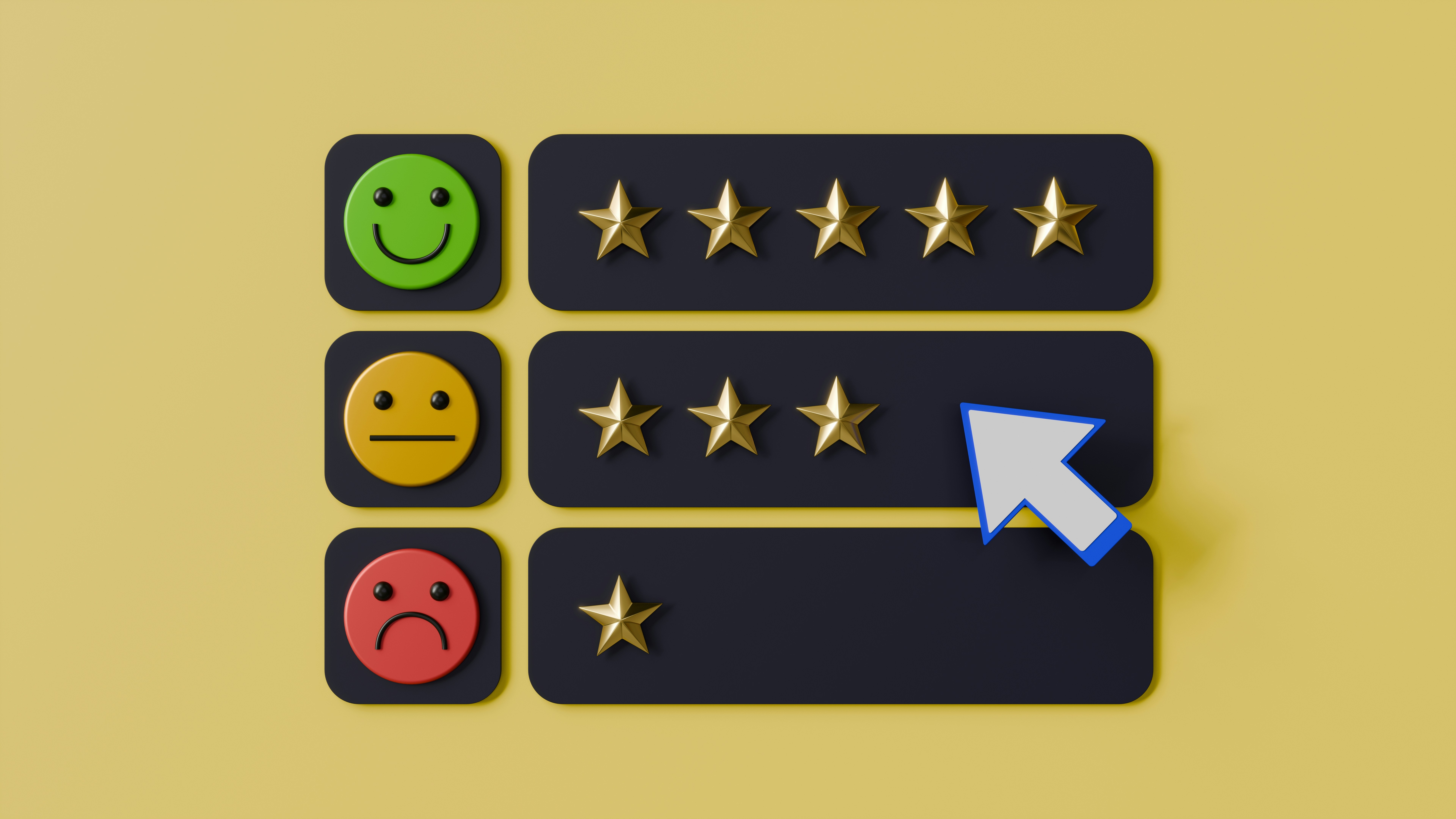
Every week, it’s the same cycle when a new anime episode airs. Some Instagram or Facebook anime page posts the rating score before the credits are even cold. They treat it like breaking news. The episode just dropped to 8.9! Peak fiction, 9.8 on IMDb! Such behavior is prominent in popular Jump anime.
A few years ago, barely anyone in anime spaces cared about rating weekly episodes. We watched the damn anime, talked about it, argued, memed, and moved on. Now we get a screenshot of a number before we even get proper fan art.
Obsessing is New and Shallow
What blows my mind is how recent this obsession is. For most modern anime fandom, rating sites were more for movies than for occasional anime ratings. You didn’t use it to validate your favorite shōnen episode twelve hours after it aired. Anime fans used forums, Discord, YouTube, and niche sites to talk about shows, not a general film database scoreboard. Now, especially with big Jump titles, it feels mandatory. An episode drops. Within 24 hours, you’ll see a cropped image of its IMDb rating on half a dozen pages. It’s as if that number is the definitive statement on its quality. It’s shallow, it’s lazy, and it turns discussion into engagement farming.
Review Blitzing
Review bombing didn’t come out of nowhere. In fact, it ramped up once anime got a vast global reach, and certain shows became fandom battlegrounds. Attack on Titan is basically the poster child for this. Multiple episodes were flagged as among the most review-bombed on IMDb or on My Anime List. They pulled thousands of 1- and 2-star votes clustered around specific controversial parts of the story. Around 2021–2022, the pattern is clear. When episodes would air, sure, fans or sub-fans would suddenly flood IMDb and other anime rating sites with extreme scores.
The goal was to knock prominent or popular anime down. Defenders of said anime would then spam 10/10 to cancel out the hate. From there, it spread to other huge titles like One Piece and big shounen finales. Now, literal lists and videos rank the most review-bombed anime episodes. This tells you how baked into the culture this has become.
Clowns or Fakes Gaming the Number
Here’s the thing nobody who worships these scores wants to admit: any clown can game them. You don’t need to understand structure, character development, or long-form storytelling. You don’t even need to finish the episode. Furthermore, you need an account and an agenda. Mad about a plot twist? Drop it to a 1/10. Think your favorite series is at its peak? Spam 10/10 on every episode to prove it. Many of these ratings aren’t genuine reviews. They’re just knee-jerk reactions and fandom wars. People chase a feeling of power by adjusting a decimal point. Treating that as sacred data is ridiculous.
How It Warps the Way People Watch
The worst part is how this mentality seeps into the actual viewing experience. People don’t go into an episode open to whatever the story wants to do. Instead, they show up with a scoreboard in their head. This episode is a 9.6, so it better blow my mind. Oh, it’s only an 8.3? Mid. Viewers focus more on the on-screen rating than the acting, direction, or story arcs. And once you start thinking like that, you stop letting slower episodes, setup episodes, or experimental episodes do their work. Everything has to be instantly 10/10 peak, or it’s dismissed. That’s not criticism; that’s fast‑food consumption.
Remember When We Just Watched Anime
I genuinely miss when the primary metric was simple, like did the episode hit you or not? People wrote paragraphs on forums, dropped long comments on YouTube, and made fanart, memes, and theory threads. The conversation was about scenes, characters, and ideas, not decimals. Now, plenty of pages don’t even bother forming their own thoughts. What they do is screenshot an IMDb rating, slap on some emojis, and let the comments fight it out. It’s the illusion of discourse without anyone actually saying anything meaningful.
Talk Out Daily Thoughts
Frankly, folk should stop giving these instant ratings the power they do not deserve. A score less than 24 hours after an episode airs is not a meaningful judgment of the story itself. Instead, it provides a quick snapshot. It captures the chaotic nature of the initial wave of users who rushed to rate the episode. These early scores are influenced more by urgency and first viewers’ opinions. They lack thoughtful analysis or genuine critique. The result is a reflection of the immediate reactions from a vocal minority. It does not offer a balanced evaluation of storytelling quality.
You don’t need that to decide whether something is worth watching. Watch the episode. Sit with it. Talk about what worked and what didn’t in your own words. You can check scores later, but don’t let random online ratings influence your impression of anime you just watched.


Leave a Reply