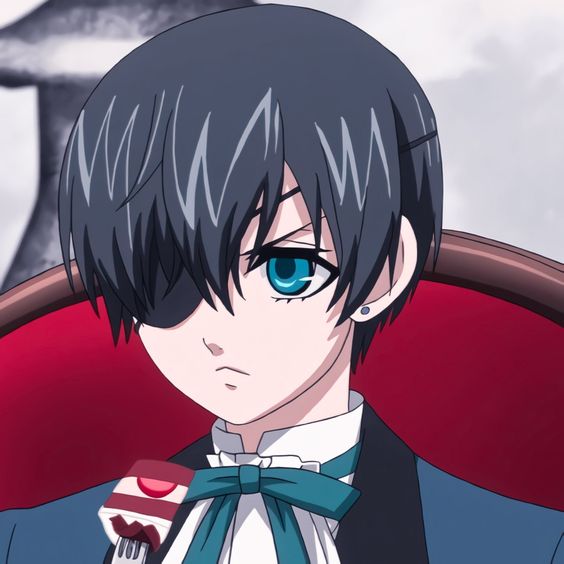
People are calling Ciel Phantomhive an anti-hero. It’s time to stop the madness. Anime culture comes with bad takes that spread faster than a demon butler serving tea. It’s not just a question of taste but of respecting the art of storytelling. Lately, too many fans seem to treat anime characters like aesthetic bingo cards rather than understanding their purpose within the story.
Let’s rebuild some storytelling basics with love, wit, and a firm reminder that smudged eyeliner is not the same thing as character depth.
Not All Protagonists Are Heroes Such as Ciel Phantomhive
In anime storytelling, the difference between protagonists (like Ciel Phantomhive) and heroes is vital. A protagonist is the character whose journey the narrative follows, while a hero embodies ideals such as justice, hope, sacrifice, and the greater good. Heroes are built around these noble principles. Protagonists, however, are the drivers of the plot, and they do not necessarily have to be “good” or morally upright. They can be deeply flawed or even outright villainous figures. For example, Light Yagami from Death Note is a protagonist, yet he is a murderous egomaniac rather than a hero. Similarly, Lelouch from Code Geass is a protagonist and a rebel leader with some heroic moments, but cannot be classified as a clear-cut hero.
Misunderstanding this distinction leads to misreading stories and mislabeling complex characters like Ciel Phantomhive. Recognizing that these characters are not heroes but protagonists is essential for appreciating anime’s nuanced storytelling.
Ciel Phantomhive is a Gothic Protagonist, Not an Anti-Hero
Ciel Phantomhive’s story pulls you into a world of darkness and tragedy. He isn’t an anti-hero searching for redemption or clinging to a glimmer of hope. Instead, he’s a Gothic protagonist driven by the wreckage of his past and an unshakable determination to survive. What makes him so compelling is his chosen extreme path, even making a pact with the demon Sebastian to ensure his survival and carry out his revenge.
Ciel shows little concern for the cost or consequences of his actions. His journey is not about saving anyone or seeking forgiveness; it’s about persistence and resolve in a shattered world. Watching him isn’t about hoping he’ll change but wondering just how far he’s willing to go to achieve what he wants.
TOD Quote:
“Ciel isn’t saving the world. He’s surviving it, dressed like nobility and thinking like a chess master with a grudge.”

What Real Anti-Heroes Look Like
If you want real anime anti-heroes, look for characters who stumble toward the light, however unwillingly. Guts from Berserk is a rage-fueled berserker who still tries to protect the weak. Spike Spiegel from Cowboy Bebop is a drifter who pretends not to care but risks everything for his broken friends.
Revy from Black Lagoon is a criminal and killer who reluctantly protects her found family. These characters are messy, self-destructive, and morally questionable, but they still move toward protecting something bigger than themselves. That’s the heart of the anti-hero: broken but not hollow. Ciel? His world’s already ash and ashes.
TOD Quote:
“An anti-hero is a broken compass still finding North. Ciel Phantomhive threw away the compass and bought a gun instead.”
Genre Matters More Than You Think
Genre serves as a secret language between the storyteller and the audience. What we know is Shonen is friendship, struggle, triumph. Seinen is complexity, loss, harsh choices. Gothic is beauty laced with horror, inevitable tragedy. Black Butler is a Gothic Victorian supernatural mystery, not a hero’s journey. If your MC solves crimes for the Queen, fights cultists, and relies on a demon, it’s a controlled fall from grace, not a redemption arc.
TOD Quote:
“If your main character’s best friend is a soul-eating demon in a butler’s uniform, congratulations…you’re not in a hero story.”

Respect the Story, Love Anime Better
Anime transcends mere entertainment; it is a form of art. Gaining insight into its deeper layers, such as character dynamics, genre conventions, and narrative significance, enhances rather than diminishes the viewing experience. You’ll discover what makes certain characters resonate long after you’ve watched, why some endings hit hard, and why great storytelling deserves admiration. Embracing anime involves understanding its nuances rather than simply reciting lines out of context.
Talk Out Daily Final Thoughts
Storytelling Isn’t Dead…But It Needs Guardians
Anime is in a vibrant, global renaissance. But vibrant storytelling demands vibrant readers. Think deeper. Read smarter. Protect the stories that mean something, not by flattening them into bad Twitter takes, but by appreciating the craft that built them. Be the fan who knows the difference between a hero, an anti-hero, and a tragic ghost dressed like a young earl. The future of anime culture deserves no less.




Leave a Reply