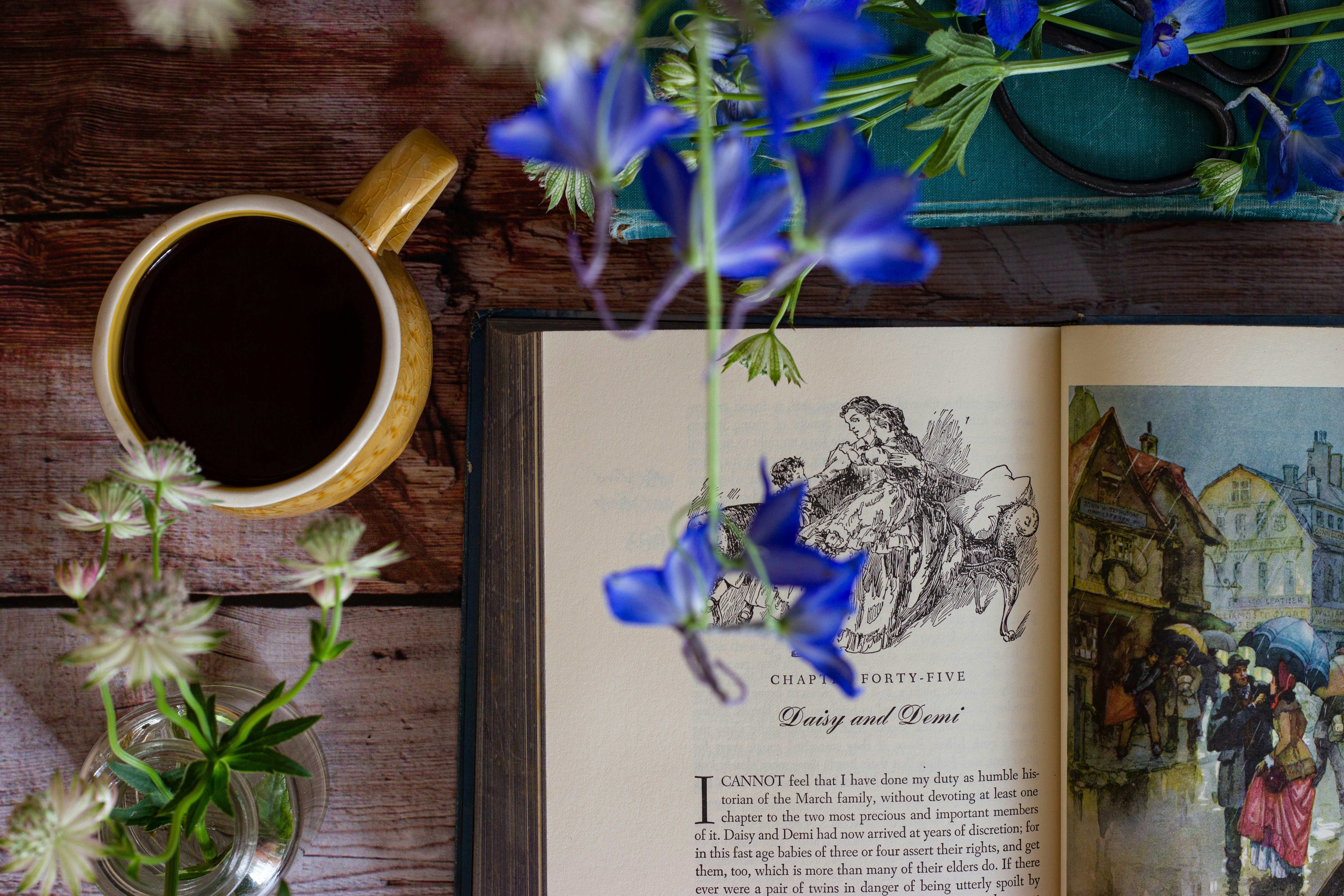
A Look at Storytelling in East vs. West


Bookish Wanderings
In the stories of East meets West, my literature journey takes me from the busy urban streets of contemporary fantasy to the richly vast worlds of Eastern manga and manhwa. Growing up in the West, I immersed myself in Western storytelling traditions, devouring tales of vampires, werewolves, and witches. These beloved, familiar tropes began to feel repetitive, leading me to seek new horizons.
Exploring Eastern storytelling opened doors to a treasure trove of unique narratives and cultural depth, enriching my reading experience in ways I never imagined.
Western Fantasy Feels Familiar Yet Repetitive
Western urban and contemporary fantasy, with its supernatural elements deeply rooted in European folklore, is like a warm, familiar embrace. The vampires lurking in the shadows, werewolves prowling under the full moon, and witches casting their spells are like old friends.
Authors like Charlaine Harris, with her Sookie Stackhouse series, and Cassandra Clare, known for The Mortal Instruments, skillfully incorporate these elements into their narratives. Yet, the recurrence of similar character types and plotlines can sometimes lead to a sense of déjà vu, sparking a desire for something new.
In high fantasy, themes often draw from medieval European settings, with knights, dragons, and epic battles. J.R.R. Tolkien’s The Lord of the Rings and George R.R. Martin’s A Song of Ice and Fire exemplify this tradition. However, the Eurocentric focus can sometimes limit the diversity of storytelling, leaving readers yearning for new perspectives.
Eastern Fantasy Brims with Cultural Richness
Eastern storytelling creates a vibrant medley of genres and sequential art forms, particularly manga, manhwa, manhua, and light novels. These narratives draw from a vast and varied cultural history, blending folklore, mythology, and contemporary themes in innovative and unexpected ways.
The genres showcase various web, from isekai, where characters are transported to other worlds, to yokai tales of Japanese spirits and demons, and wuxia, the Chinese martial arts fantasy genre. Each story is unique, offering new perspectives and enriching the literary landscape. For example, Mushishi is a manga series that delves into the world of supernatural creatures called Mushi. Each chapter unfolds like a folktale, with richly detailed illustrations and atmospheric storytelling. Similarly, The Girl from the Other Side weaves a dark fairy tale with unique mythological elements, creating a hauntingly beautiful story.
Cultural and Historical Lengthy Roots
One of the most striking aspects of Eastern fantasy is its deep cultural and historical roots. Japanese manga often incorporates Shinto beliefs, Buddhist tales, and ancient legends, adding layers of meaning and authenticity. Light novels like Spice and Wolf blend medieval economics with romance, and the Monogatari series, exploring supernatural occurrences and personal struggles, showcases the creative fusion of tradition and modernity.
In contrast, Western fantasy’s reliance on familiar European myths can sometimes feel limiting. However, this can also allow Western authors to explore fewer familiar mythologies and cultural traditions. Drawing inspiration from global myths gives Western storytelling fresh perspectives and narrative depth.
Final Fresh Thoughts
Exploring Eastern fantasy opens my eyes to the vibrant spectrum of global storytelling. It reveals an abundance of folklore and mythology that Western authors are not privy to, especially those from the U.S. with a shorter historical reach.
The journey through Eastern and Western storytelling transforms my reading experience. The narratives, cultural richness, and unique perspectives in Eastern manga and light novels contrast with the familiar tropes of Western fantasy.
How can American authors create deep and enriching stories with a shorter history that stretches out behind them?
As readers and writers, we should strive to explore and celebrate global stories, engage in meaningful discussions, and be honest about our observations of authors’ works.



Leave a Reply