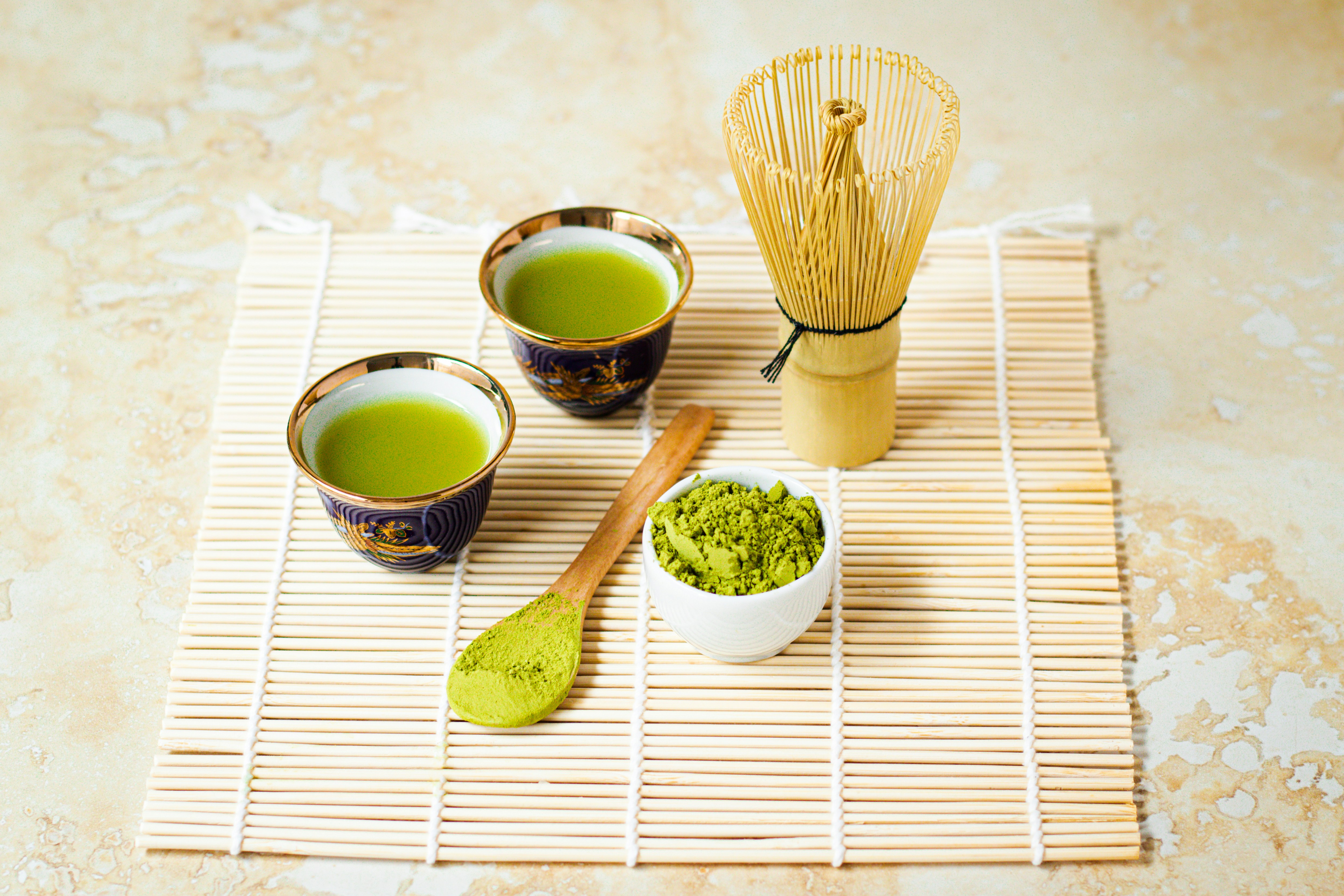
Let’s be honest, matcha is having a moment. You see it everywhere now: poured into frosted glasses on TikTok, dusted across dessert menus, or offered with oat milk in just about every trendy café from Los Angeles to London. It’s earthy, it’s green, it’s considered clean. It’s the Zen cousin of coffee.
But before matcha was swirled into lattes and turned into viral content, it was (and still is) a sacred drink in Japan, rooted in centuries of cultural tradition and ceremonial practice. This isn’t just any wellness powder- it’s a true powdered legacy! Carefully cultivated, lovingly stone-ground, and served with a lot of intention.
This post isn’t here to gatekeep your green drink. We love a good matcha latte around here, too. If we sip, post, and recommend it, we owe it to the culture and ourselves to understand its origins. So, let’s explore how to prepare matcha close to its roots, even if you’re pouring milk in by the end.
The Ceremonial Heart of Matcha
Before the Blender, There Was the Chasen
In Japanese tradition, matcha isn’t just made…it’s performed. The tea ceremony, known as Chanoyu or The Way of Tea, is a quiet yet profound ritual. Every step, from cleaning the tools to whisking the tea, is purposeful. There’s no rushing, no noise. Just presence.
Traditional matcha preparation features two primary styles: Usucha (薄茶), or “Thin Tea,” and Koicha (濃茶), or “Thick Tea.” Usucha is made by whisking matcha with more water, resulting in a frothy, light tea with a bright, smooth, and slightly bitter flavor, commonly served in everyday tea gatherings. In contrast, Koicha uses less water to create a rich, syrupy consistency, reserved for formal ceremonies and high-quality ceremonial-grade matcha, often shared among participants as part of a ritual without foam.
Essential Tools
The tools used are just as essential as the tea itself: the Chawan (bowl for whisking and sipping), Chasen (bamboo whisk for creating froth), Chashaku (curved scoop for measuring), and Natsume or Chaki (the carefully handled matcha powder container). Each element plays a vital role in honoring the tradition of matcha preparation.

This isn’t a drink you throw together. This is a drink you slow down for. It’s made with water just below boiling—around 160–175°F (70–80°C)—so the flavor blooms without becoming bitter. The motion of the whisk isn’t circular but a quick M or W pattern, which creates a light layer of microfoam across the surface.
Preparing matcha like this is an act of mindfulness. A grounding ritual. You feel the warmth of the bowl in your hands. You watch the green powder dissolve into something vibrant and alive. And for a moment, the world softens.
The Purity of Preparation
Traditional matcha is unflavored, unsweetened, and unbothered. It’s just you, the tea, and the moment. That’s what makes it sacred.
If you’re new to it, the taste might surprise you. It’s grassy. It’s vegetal. There’s umami, and sometimes a touch of natural bitterness. But there’s a depth there—like spinach met the forest and decided to meditate. It’s not sweet because it wasn’t meant to be. The point of ceremonial matcha is not to mask its complexity but to appreciate it.
Now, the Japanese didn’t leave your taste buds hanging. Wagashi, small seasonal sweets made from mochi, red bean paste, or chestnut, were traditionally served before the tea, not mixed into it. The subtle sweetness of the treat softens the palate, so when you sip the matcha, you taste harmony, not sugar.
Modern tastes, however, are different. We’re a generation raised on sweetened everything. For example, coffee with syrup, smoothies with fruit, and drinks that are part dessert. So, when the bold, clean taste of matcha hits our tongues? It’s a curveball. And that’s where the milk comes in.
The Rise of the Matcha Latte
The matcha latte wasn’t born in a temple when East Meets West. It was born in a coffee shop.

As Western café culture grew in Japan and later spread worldwide, matcha found itself reinvented. Suddenly, instead of being served silently on a tatami mat, it was poured into paper cups next to flat whites and iced Americanos. It became café compatible. Instagrammable. Sweetened, iced, and styled.
And it took off. Fast.
The modern matcha latte—hot or iced—balances the bitter edges. It made matcha accessible to newcomers. It offered something smoother, creamier, and more familiar to a coffee-saturated world. And while it may not be “traditional,” it became part of matcha’s global evolution.
There’s a way to do both for people who want to respect the origin while still enjoying the latte version.
How to Make It the Right Way (Even with Milk)
Modern Ritual, Traditional Roots
So, how do you make a matcha latte that still honors the drink’s heritage? You bring intention into the process, even when using a milk frother. Below is an easy guide to help you out.
Start with quality matcha, choosing ceremonial grade or premium culinary grade with a vibrant green color, avoiding dull or yellowish powders. Sift the matcha to prevent clumps and ensure a smooth blend. Add about 2 oz of hot water between 160 and 175°F, never boil, then whisk until fully dissolved and frothy. Select your milk wisely: whole milk for richness, oat milk for creaminess and slight sweetness, soy milk for a neutral, protein-rich taste, or barista blends for better foam and texture. Pour 6 to 8 oz of steamed or cold milk over the whisked matcha, sweeten if needed, and enjoy.
The matcha deserves to shine as the star, not just a milky drink with a dash of green. It should burst with vibrant flavor, lovingly softened by the milk. Turn this into a delightful ritual: play your favorite music, light a cozy candle, and whisk by hand instead of using a machine. This is how we honor tradition, even in a modern setting, latte.
Final Sip or A Cup Between Cultures
Matcha has always been more than a drink. It is a bridge between moments, connecting silence and energy, tradition and adaptation, the old ways and new rituals.
You can enjoy matcha lovely without going to a formal tea ceremony! You have to show up. Learn where it came from. Prepare it with care. And whether you take it pure or poured over ice with a shot of oat milk, do it with reverence.
Because the best matcha isn’t the trendiest, it’s the one you took time to respect.



Leave a Reply