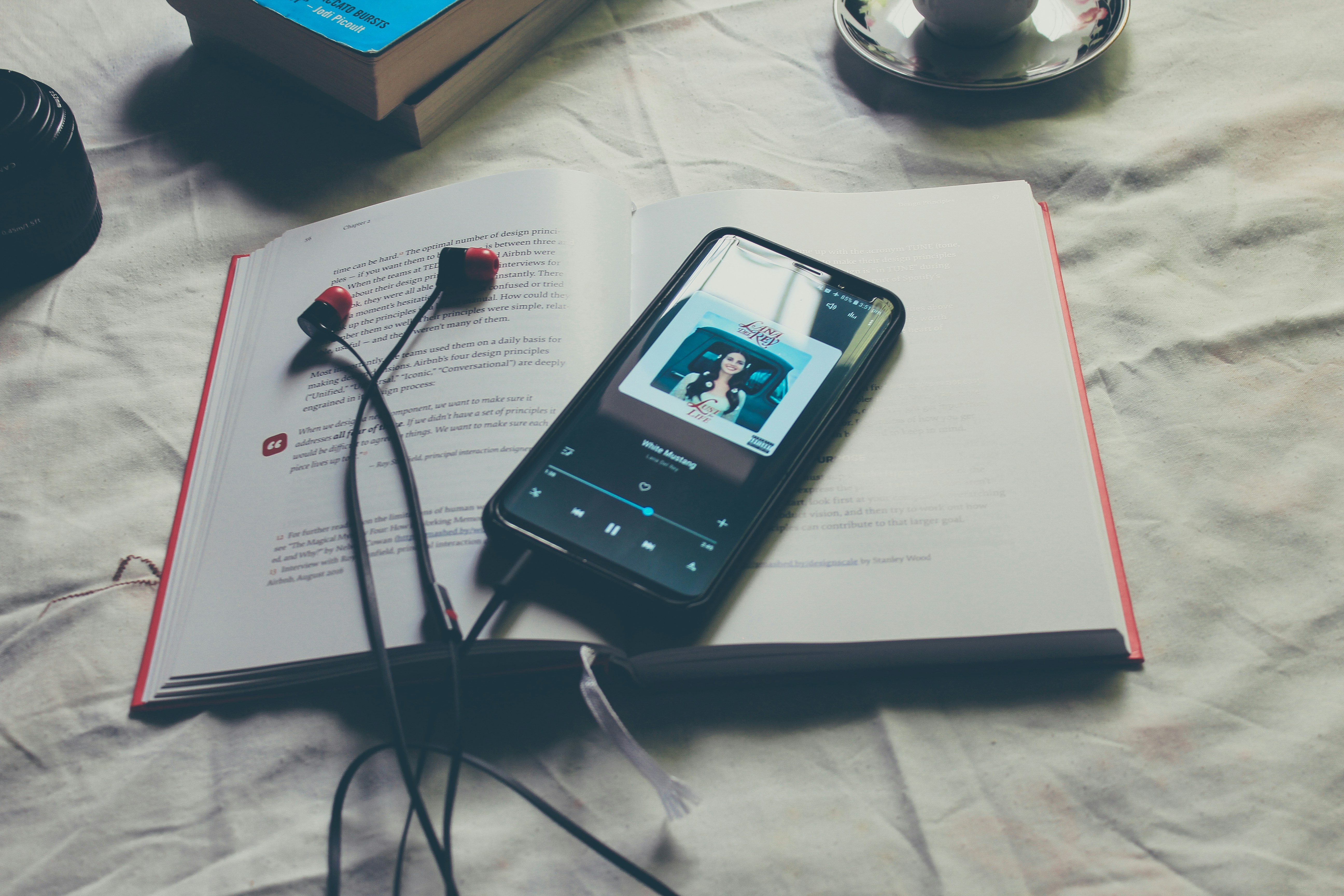
It often feels like folk’s ability to truly comprehend what they read and listen to is on life support. Between the rapid-fire pace of digital media, the constant barrage of notifications, and the spread of misinformation, folk speed ball through content or do not devour what they are reading or hearing. I often wonder if reading and listening comprehension is declining.
We’re living in an era where information is at our fingertips 24/7. On the one hand, this is a blessing. Never before have we had such easy access to knowledge and learning. But on the other hand, the sheer volume and speed of content or information can be overwhelming. It’s easy to skim headlines, scroll through social media, and listen to sound bites without absorbing the content.
Incomplete and Inaccurate Info
The rise of misinformation compounds this problem. When fake news and misleading information spread like wildfire, it becomes even more critical to have strong comprehension skills. Yet, many people struggle to discern fact from fiction. This isn’t just a failure of education. It’s a failure of comprehension. Without the ability to critically evaluate what we read and hear, we’re at the mercy of whoever shouts the loudest.
Digital Info Overload
Digital information overload is another major culprit. Think about your daily routine. How often do you check your phone, glance at your email, or get pinged by a notification? Each of these interruptions pulls your focus away from deep, meaningful engagement with content. It’s hard to comprehend a dense article or follow a complex podcast when your attention is constantly being diverted.

Consuming Information on the Move
People today consume information on the move. A constant stream of information flows whether commuting, exercising, or multitasking. This on-the-go consumption means there’s often little time to devour and research things properly. Many don’t want to research or care about the truth at all, especially if something fits the narrative they want to prop up. This leads to a shallow understanding and perpetuates misinformation. When this happens, having a sturdy or even a reasonable perspective isn’t easy.
My Observations
As an everyday person engaging with others in my personal interactions, I’ve noticed that conversations are often shallow and based on half-understood snippets of information. People quickly share articles they haven’t fully read or discuss podcasts they only half-listened to. This surface-level engagement leads to misunderstandings and shallow discourse. Additionally, with the rise of communication through apps, more information and meaning get lost in translation than ever before.
The Way Forward
So, is reading and listening comprehension at its end? Not quite, but it’s certainly on life support. To revive it, we must slow down and invoke full consciousness on steroids to avoid failing to understand and synthesize what we read and hear. Attention is essential when reading and listening. It begins with setting aside dedicated time to read or listen without distractions. Give your full attention to the content.
Let’s not forget about critical thinking. We must continuously develop the habit of questioning and analyzing the information we consume. Don’t take everything at face value. Focus on one task at a time to improve comprehension and retention. Show up in a conversation and be ready to engage deeply or in listening mode to absorb the content. Discuss what you read and hear with others, especially people who don’t think of you or are from various backgrounds, to get some perspective. Engaging in meaningful conversations helps reinforce your understanding.
Final Thoughts
While our fast-paced, information-saturated world poses significant reading and listening comprehension challenges, these skills are not dead. They require effort and intentional practice to keep alive. By taking conscious steps to improve our comprehension, we can navigate the digital age more effectively and engage with information on a deeper level before all is lost.




Leave a Reply